News

|
服务热线 000 |

|
联系电话 000 |

|
电子邮箱 000 |
Media Coverage
Home
>
News
>
Media Coverage
'Mailisu' silicon fertilizer is favored by farmers
As a new product category that Guangdong's "Mass Technology" focused on in 2016, "Pulse Silicone" has been increasingly favored by farmers for its fertilizer effect since it was launched on the market.
Gong Qingxi, a taro farmer in Chongfu Village, Changlai Town, Lechang District, Shaoguan City, said that he was reluctant to use such a high-priced product because the price of agricultural products was not high, and he was worried that he would not be able to make back his investment. However, his pursuit of growing high-quality crops made him want to give it a try.
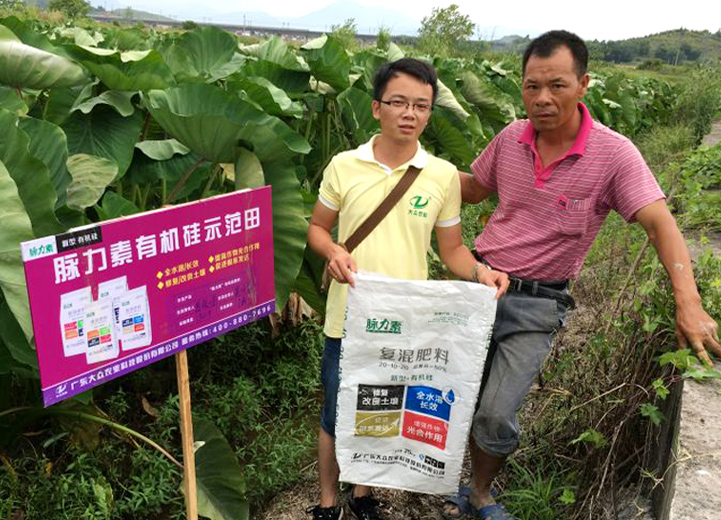
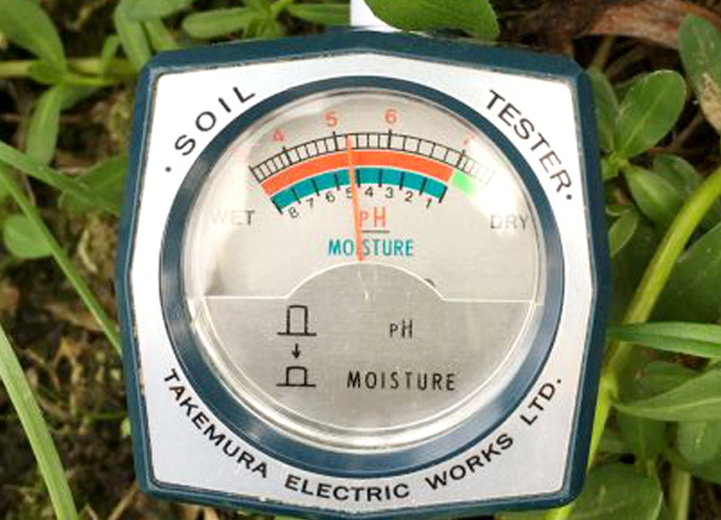
Gong Qingxi's 12 mu of taro is located at the entrance of Chongfu Village. The taro planting site is located next to the road, with a canal next to it. The soil is relatively loose, which well meets the requirements of taro's long growth period and large fertilizer requirements. It can be seen that he has mastered the key points of taro planting. After soil testing and data collection, the soil pH value is 5.0, which is slightly acidic. The plants are weak, the chlorophyll content is low, the leaves are weak and yellow, and the root system is short. It can be said that the growth is not very good.
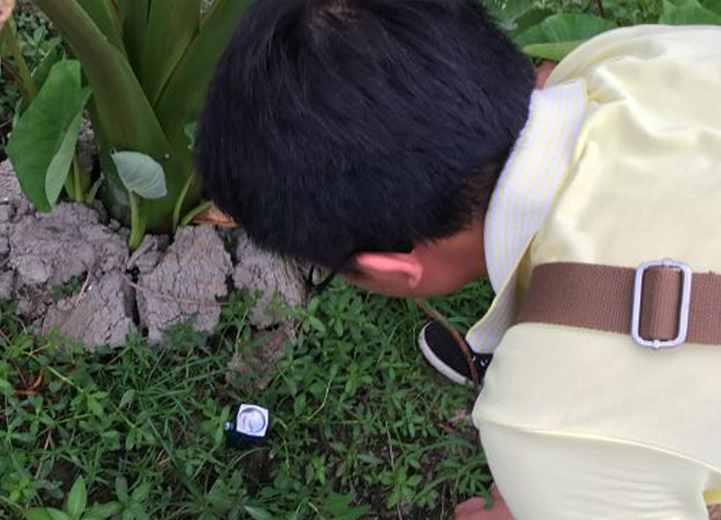
In order to dispel their doubts, we will not talk about the effectiveness of the fertilizer. We will just set aside one acre of land as a demonstration field to observe the results.
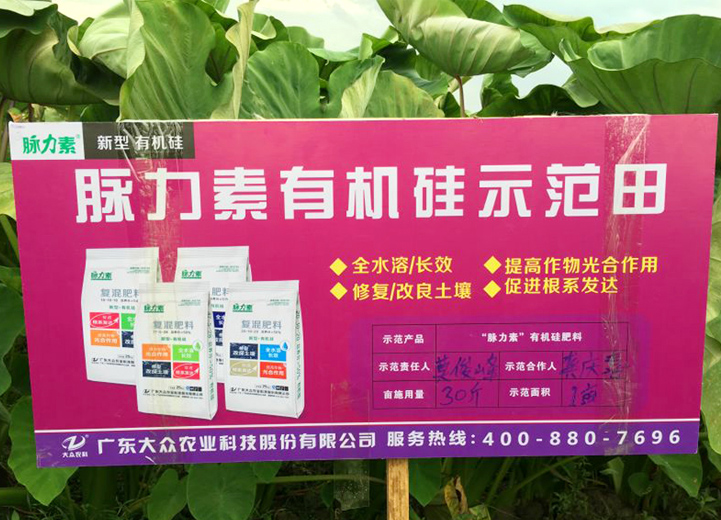
On July 11, 4 bags of "Mailisu" sample silicon fertilizer were given to him for free. This made him see the confidence of the big brand and he applied it immediately. What we didn't expect was that a few days later, Comrade Gong Qingxi actually went to the store to pick up 10 bags himself. When asked the reason, he smiled and took us to the taro field. I saw the leaves stacked in front of me, green and lush, and the stems were straight, blooming like a plate. He pointed to another taro field not far away. People applied 50 catties of 17-17-17 nitrosulfur per mu, and we only needed 30 catties of 20-10-20 "Mailisu" silicon fertilizer per mu. Comprehensive comparison, not only the amount per mu was reduced by nearly 30%, but the effect was also better. In such a short time, it can produce such a good fertilizer effect. Do you think I can't go and get it? After our test, the soil pH value recovered from the original 5.0 to 5.2, and the acidity and alkalinity were significantly improved.
Lechang City is one of the main taro planting bases in Guangdong Province, with Beixiang, Langtian and Changlai Town accounting for a large proportion. Taro has become the main economic crop in the area. In recent years, with the gradual increase in planting area, local growers have shown a strong desire for knowledge of scientific taro planting techniques, and major brands are flocking to it.
Manager Mo, the local person in charge, said that in order to serve the local taro market well, as early as late April this year, Guangdong's "Mass Technology" joined hands with the Southern Rural Newspaper to "help spring farming" and send technology to the countryside. The large-scale public welfare "Spring farming and fertilization must be adjusted before soil" activity came to northwest Guangdong. In June, the company also launched the new product "Pulse Power" silicon fertilizer that was focused on this year and vigorously carried out basic promotion work in the market, so as to satisfy the majority of taro farmers with better products and services.
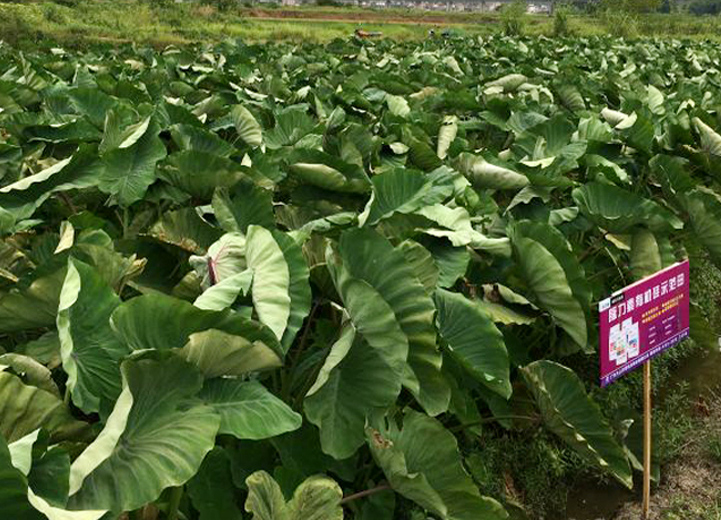
Manager Mo also told us: "Mailisu" silicon fertilizer uses new organic silicon and solution coating technology, chelates a variety of medium and trace elements, is fully water-soluble, and can be flushed. The product contains active silicon. After the crops absorb it, it can produce silicified cells, increase the strength of the crop stems, make the stems straight, improve the crop's resistance to lodging, and enhance the crop's photosynthesis and chlorophyll content. It can effectively activate the "phosphorus" in the soil and promote the root system's absorption of "phosphorus", improve the absorption and utilization of phosphorus, calcium, and magnesium, and can well regulate the crop's balanced absorption of different nutrients such as nitrogen, phosphorus, and potassium, thereby achieving root protection and promoting root development.
Practice has also shown that after applying silicon fertilizer, the yield of rice, wheat, corn, sugarcane and cotton increased by 8-28%, and pests and diseases were reduced by 40-60%.