

News

|
服务热线 000 |

|
联系电话 000 |

|
电子邮箱 000 |
Soil Lecture Hall
Soil acidification: the root cause of soil-borne vegetable diseases
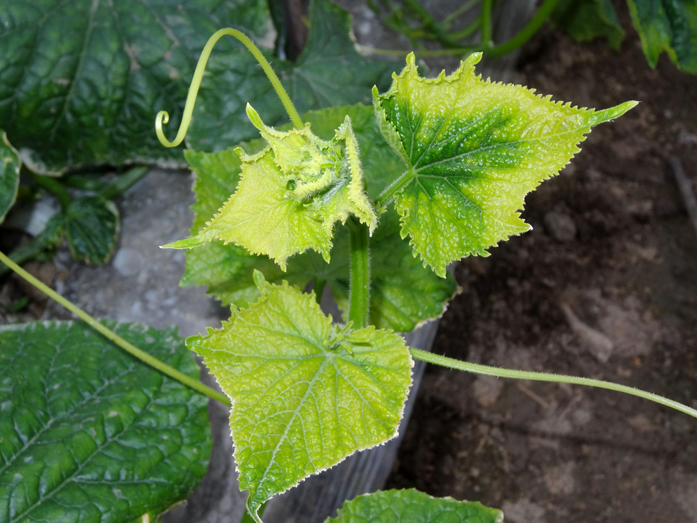
In recent years, agricultural product safety accidents similar to the Hunan "cadmium rice" incident have occurred frequently, and the safety of agricultural products has become the focus of people's attention. Food is the primary need of the people, and each of us cannot do without three meals a day. From national leaders to ordinary people, people are increasingly concerned about the quality and safety of agricultural products. And the safety of agricultural products has been raised and emphasized at the national level, namely the "two sessions" for discussion. Soil acidification is one of the important reasons for the serious occurrence of soil-borne diseases. The serious soil-borne diseases have led to an increase in the use of pesticides, which ultimately led to a decline in the quality of agricultural products. According to statistics from relevant departments, the annual planting area of major vegetables in the country is 300 million mu, of which the area of soil-borne diseases is about 350 million mu, and the vegetable areas in major cities are particularly serious.
Soil-borne diseases refer to pathogens such as fungi, bacteria, nematodes and viruses that live in the soil with residues and diseased residues. When conditions are suitable, they invade the roots or necks of crops and cause diseases. Pathogens prefer acidic soils to grow and reproduce, and the most suitable soil is pH 5.0-6.5. The main types of vegetable soil-borne diseases include: vegetable root-knot nematode disease, root swell of crucifers (cabbage, kale, broccoli), wilt of melons (cucumbers, watermelons); eggplant wilt, brown streak disease, cotton blight, early and late blight, white rot, bacterial wilt, virus disease of tomatoes, anthracnose and blight of peppers, rust of beans, downy mildew of spinach, onions and garlic, etc.
The general rules of soil-borne diseases are as follows:
1. Soil-borne pathogens (Fusarium, Phytophthora, Pythium, Rhizoctonia, nematodes, etc.) mainly survive and overwinter in the soil.
2. Under suitable temperature and pH conditions, the pathogens regain activity and contact the host.
3. Pathogens mainly invade from wounds on the roots or from young and tender tissues such as the cells at the tip of root hairs. This period is a critical period for prevention and control.
4. Pathogens invade the host to absorb nutrients and water for self-reproduction. When the temperature and pH conditions are met, pathogens multiply rapidly and infect crops.
5. Crops are harmed on the basis of rapid infection by a large number of pathogens, showing symptoms such as withering, yellowing, wilting, and rotting.
The general integrated control techniques for soil-borne diseases are as follows:
1. Agricultural control, selection of improved varieties, water-dry crop rotation, crop rotation; improved cultivation: deep furrow and high ridge cultivation, frequent irrigation with small amounts of water, avoid flooding with large amounts of water; reasonable density planting, control of temperature and humidity, and improvement of ventilation and light transmission; soaking seeds in warm water, biological control, spreading Trichoderma or mixing with fine soil or spraying and root irrigation with agricultural streptomycin.
2. Chemical control (soil disinfection and improvement, disinfection with chemicals)
Soil disinfection and improvement: Before plowing, spread 75-100 kg of "Master Tian" soil conditioner per 667 square meters, which can sterilize, neutralize soil acidity, and supplement calcium and magnesium elements.
Chemical disinfection: To prevent and control fungal diseases, you can use 500-800 times diluted 30% soil bacteria disinfectant for soil disinfection; to prevent and control bacterial diseases, you can use 1000 times diluted 88% mycobacterium hydrate for soil disinfection.


