

News

|
服务热线 000 |

|
联系电话 000 |

|
电子邮箱 000 |
Soil Lecture Hall
Function and cultivation of soil microorganisms
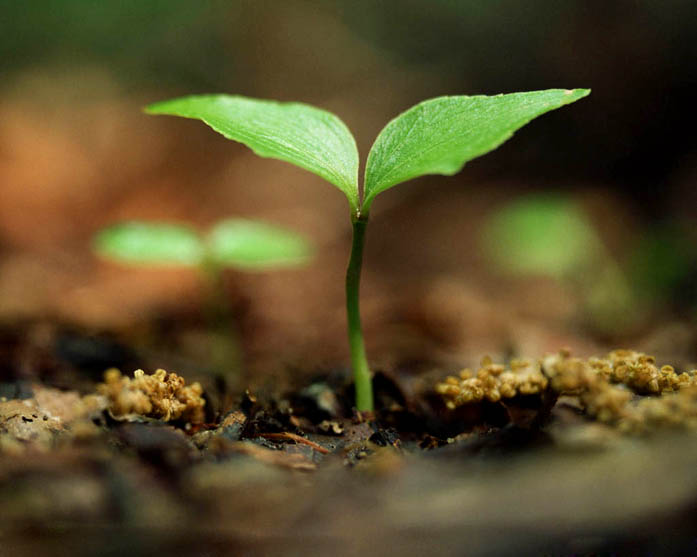
Soil biological indicators, soil physical indicators and soil chemical indicators are all important components of soil quality indicators. As people's cognition and understanding of soil continue to deepen, their attention to soil is no longer limited to water, air, heat, plant nutrients, etc. in the soil, and more and more attention is paid to soil microbial indicators.
The role of microorganisms in soil is mainly manifested in the following aspects:
1. Microorganisms in the soil can form soil structure. Soil is not a simple combination of soil particles and fertilizers. As active components in the soil, soil microorganisms, in their own reproduction process, help soil particles form large aggregate structures through the exchange of oxygen and carbon dioxide in metabolic activities, and secrete organic acids, and finally form real soil.
2. The most significant effect of microorganisms in the soil is the decomposition of organic matter. For example, the residual roots and leaves of crops and organic fertilizers applied to the soil can only be decomposed and released through the action of soil microorganisms, and nutrient elements can be absorbed and utilized by crops; and humus can be formed to improve the structure and tillage of the soil.
3. Soil microorganisms in the soil can also decompose minerals. The metabolites of soil microorganisms can promote the dissolution of insoluble substances in the soil. For example, phosphorus bacteria can decompose phosphorus in phosphate ore, and potassium bacteria can decompose potassium in potassium ore; for crops to absorb and utilize, and improve soil fertility. In addition, the decomposition and utilization of urea is also inseparable from soil microorganisms. These soil microorganisms are like fertilizer processing plants in the soil, processing mineral fertilizers in the soil into forms that can be absorbed and utilized by crops.
4. Microorganisms in the soil also have the function of fixing nitrogen. Nitrogen accounts for 4/5 of the composition of the air, but plants cannot use it directly. Some microorganisms can use their nitrogen fixation to convert nitrogen in the air into solid nitrogen compounds that can be used by plants. With such soil microorganisms, it is equivalent to the soil having its own nitrogen fertilizer production workshop.
5. Soil microorganisms can also regulate plant growth. Plant symbiotic microorganisms such as rhizobia, mycorrhizae and fungi can directly provide plants with nitrogen, phosphorus and other mineral elements; as well as various organic nutrients such as organic acids, amino acids, vitamins, and auxins to promote plant growth. Soil microorganisms are closely related to plant root nutrition, and can resist the pathogenic effects of certain pathogenic microorganisms and reduce the occurrence of diseases and insect pests; such as the plant growth-promoting rhizosphere bacteria developed in recent years.
Soil microorganisms play such an important role in crops that people need to consciously cultivate beneficial microorganisms in the soil during agricultural planting. For example, some minerals are added as macro and trace elements required for microbial growth; organic fertilizers are applied to provide the carbon source, nitrogen source and energy required for microbial growth. Many fertilizer manufacturers also add beneficial bacteria to organic fertilizers or directly produce bacterial fertilizers to increase the number of beneficial bacteria in the soil. Cultivating beneficial soil bacteria is not enough to simply provide them with nutrients and strains, but also requires improving their living environment.
The specific measures recommended are as follows:
1. Loosen the compacted soil and increase soil permeability. Provide oxygen source and convenience for the growth and reproduction of microorganisms that need oxygen (such as ammonifying bacteria, nitrogen-fixing bacteria, rhizobia, etc.); inhibit the growth and reproduction of anaerobic microorganisms (denitrifying bacteria).
2. Regulate soil pH (i.e. soil acidity and alkalinity). Different types of microorganisms exist in soils with different pH values. The soil is acidic, and pathogenic fungi are active; harmful microorganisms (such as pathogens of root diseases such as Panama disease and clubroot) mostly grow in acidic soil; the soil is weakly alkaline, which is suitable for the growth and reproduction of actinomycetes (which can secrete quantitative antibiotics for a long time and inhibit diseases). Since the number of bacteria in the soil is the largest (accounting for 70~90% of the total amount of soil microorganisms), only by adjusting the soil pH can a good living environment be provided for the growth and reproduction of beneficial bacteria in the soil, while inhibiting the growth and reproduction of harmful pathogens, reducing the incidence of crops, and ultimately reducing crop losses.


