

News

|
服务热线 000 |

|
联系电话 000 |

|
电子邮箱 000 |
Soil Lecture Hall
Identification of soil acidity and alkalinity and fertilization
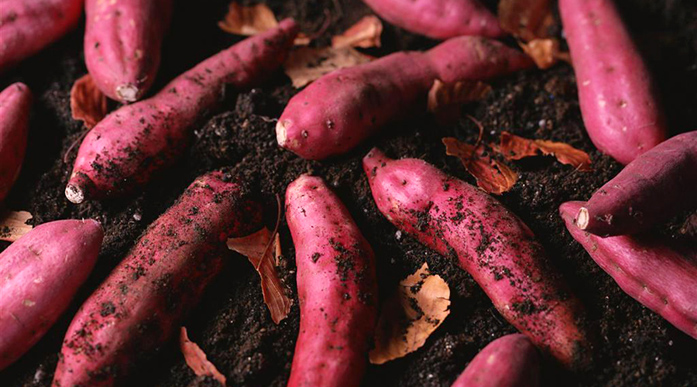
1. Sensory identification: Generally, soil with high acidity is mushy when wet, and forms large lumps when dry. A little bit of it tastes bitter when you put it in your mouth. In soil with high alkalinity, the surface of the ground forms a crust after rain, and it becomes loose when dry. Put loose soil into water and stir it to make it turbid. After clarifying, take the clarified liquid and boil it dry. There is a little frost on the bottom. Soil with red or yellow color is usually acidic, such as yellow mud, red soil dry soil, red soil wasteland, etc. The pH value of red soil is generally 4.5-6.0, and yellow soil is more acidic, with a general pH value of 4.0-5.5.
2. Identify by indicator plants: Observe whether there are acid-loving indicator plants among wild plants. If there are acid-resistant plants such as Castanopsis sclerophylla, Castanea pubescens, Myrica rubra, Tea tree, Pinus massoniana, Fir, Lycopodiella, etc., it means that the soil is acidic; if there are plants such as Nandina domestica, Cypress, Reed, Selaginella, etc., it means that the soil is alkaline.
3. Identify by water quality: If the water seeps down quickly after irrigation, the water is relatively turbid, and even rust-like substances appear, it means that the soil is highly acidic; if white bubbles and white foam appear during watering, it is mostly alkaline soil. If the soil is soft after watering, it is acidic; if the soil is compacted after watering and dries quickly, and there is a layer of white powder on the surface of the soil, it is alkaline.
4. Identify by stones: The soil in quartzite, sandstone, yellow shale, and red shale areas is mostly acidic; in limestone or calcareous soil areas, the soil is more or less alkaline.
If the soil is too acidic, 20 to 25 kg of lime can be applied per mu every year, and sufficient farmyard manure should be applied. Do not apply only lime without farmyard manure, otherwise the soil will turn yellow and thin. You can also apply 40 to 50 kg of wood ash to neutralize the acidity of the soil and better regulate the water and fertilizer conditions of the soil. For alkaline soil, 30 to 40 kg of gypsum is usually applied per mu as base fertilizer for improvement. When the alkalinity is too high, a small amount of aluminum sulfate, ferrous sulfate, sulfur powder, humic acid fertilizer, etc. can be added. Frequent watering of some diluted water of ferrous sulfate or aluminum sulfate can increase the acidity of the soil. Humic acid fertilizer can adjust the pH of the soil because it contains more humic acid. Among the above methods, applying sulfur powder is slow to take effect, but the effect is the most lasting; phosphate fertilizer needs to be supplemented when applying aluminum sulfate; applying ferrous sulfate (alum fertilizer water) is fast-acting, but the effect time is not long, and it needs to be applied frequently.


