

News

|
服务热线 000 |

|
联系电话 000 |

|
电子邮箱 000 |
Soil Lecture Hall
Effects of soil organic matter on soil fertility
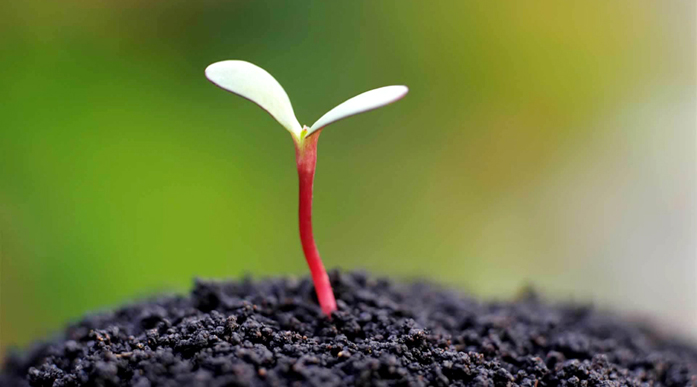
Soil fertility is an important indicator of soil fertility. It measures the ability of soil to provide various nutrients required for crop growth. It is a comprehensive expression of various basic properties of soil. It is the most essential feature that distinguishes soil from parent materials and other natural bodies. It is also the material basis of soil as a natural resource and agricultural production material. Soil fertility can be divided into natural fertility and artificial fertility according to its causes. The former refers to the fertility formed under the influence of the five major soil-forming factors (climate, biology, parent materials, topography and age), which mainly exists in uncultivated natural soil; the latter refers to the fertility manifested under the influence of long-term artificial cultivation, fertilization, irrigation and other various agricultural activities, which mainly exists in cultivated (farmland) soil.
Soil fertility is the basic property and essential characteristic of soil. It is the ability of soil to supply and coordinate nutrients, water, air and heat for plant growth. It is a comprehensive response of soil physical, chemical and biological properties, and it is also the essential characteristic of soil that is different from parent material. It includes natural fertility, artificial fertility and economic fertility formed by the combination of the two.
Natural fertility is the soil fertility formed by natural factors such as soil parent material, climate, biology, topography, etc. It is a comprehensive expression of the physical, chemical and biological characteristics of the soil. Its formation and development depends on the quality, quantity and appropriate combination of various natural factors. Natural fertility is the product of the natural reproduction process and the basis of land productivity. It can spontaneously grow natural vegetation.
Artificial fertility refers to soil fertility formed by human production activities, such as farming, fertilization, irrigation, soil improvement and other human factors. The economic fertility formed by the combination of natural fertility and artificial fertility of the soil can be used to produce abundant agricultural products for mankind. Economic fertility is the unity of natural fertility and artificial fertility, and is formed by the combination of the two fertilities on the same soil. Soil with only natural fertility does not have any traces of human labor in the past. Soil with economic fertility, because it includes artificial fertility, condenses human labor. Since artificial fertility is formed by human production activities, people can use all natural and social conditions to promote the formation of artificial fertility, and accelerate the transformation of potential fertility, so that the land can be put into production as soon as possible.
Soil organic matter refers to organic matter containing carbon in the soil. It includes the remains of various animals and plants, microorganisms and various organic matter that can be decomposed and synthesized. Soil organic matter is an important component of the solid phase of the soil. Although the content of soil organic matter accounts for only a small part of the total soil, it plays an extremely important role in soil formation, soil fertility, environmental protection and sustainable development of agriculture and forestry. The sources of organic matter in the soil are very wide. Soil organic matter can be divided into corrosive matter and non-corrosive matter. Microorganisms are the earliest source of soil organic matter.
The amount of organic matter in the soil is an important indicator of soil fertility and plays an important role in soil fertility.
(1) It is an important source of nutrients such as carbon, nitrogen, and phosphorus in the soil. More than 95% of nitrogen is found in soil organic matter. At the same time, it also contains a certain amount of nutrients such as sulfur, potassium, calcium, magnesium, and iron for crop utilization. In addition, the organic acids and carbonic acids produced during the decomposition of organic matter can promote the release of soil nutrients.
(2) It can promote the formation of soil aggregate structure. After being decomposed by microorganisms, organic matter can produce a substance that binds soil particles, which can make small soil particles stick together into spherical soil masses, which are suitable for plant growth.
(3) It can improve the adverse properties of the soil. After the decomposition of organic matter, cementing substances are produced, which can not only reduce the viscosity of clay, improve its tillage and permeability, but also improve the performance of excessively loose sandy soil.
(4) It increases the water retention capacity of the soil. When the topsoil contains a lot of organic matter, it
can make the soil loose and porous, making it easy for surface water to penetrate. At the same time, due to the strong water absorption capacity of organic matter, the soil's water retention capacity is improved. (5) It can improve the soil's fertilizer retention capacity. Due to the adsorption effect of soil organic matter, it can absorb and accommodate various nutrients and avoid loss. At the same time, it can also buffer the strong acid-base changes caused by the application of chemical fertilizers, which is beneficial to crop growth.


